
Electromobility & Charging Infrastructure for Businesses
Stay updated on matters related to electromobility and charging infrastructure for corporate fleets & the Charge Point Operator

The Future of Electromobility in Greece
Electromobility represents a critical step toward the future of sustainable mobility in Greece. As technology evolves rapidly and costs decrease, it is expected that electric vehicles will capture a larger market share in the coming years. Investments in charging infrastructure and citizen support through subsidies and incentives will play a central role in the spread of electromobility.
Two key factors are essential for the effective development of electromobility in the country: the incentives provided and the expansion of charging infrastructure.
Incentives for the Development of Electromobility in Greece
The Greek electric vehicle (EV) market has begun to grow in recent years, while incentives are being legislated both for the purchase of electric vehicles and for the development of the electric vehicle charging network.
Through subsidy programs, access for citizens and businesses to more environmentally friendly vehicles has been facilitated, making electric cars more economically accessible.
Charging Infrastructure
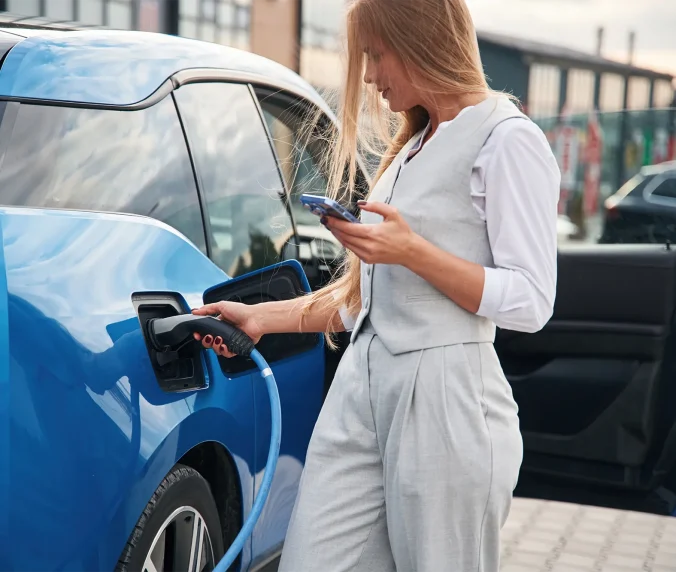
Alongside the increase in electric vehicle sales, the development of charging infrastructure is a critical factor for the success of electromobility in Greece. Charging stations are multiplying across the country, particularly in major urban centers and along key road corridors. Plans for the installation of public charging stations continue to expand, with the involvement of both public and private entities, while large municipalities are also adopting plans to support electromobility.
HEDNO actively supports all initiatives aimed at further developing charging infrastructure across the country, providing a clear and user-friendly framework for connection to the network. It also actively collaborates with relevant ministries on programs that promote the expansion of the electric vehicle charging infrastructure network.
Benefits for the Environment
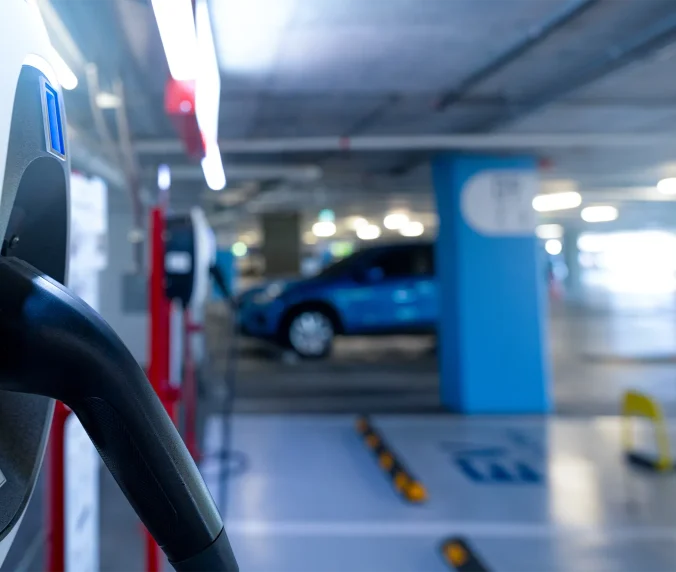
The transition to electromobility offers significant environmental advantages. Electric vehicles do not emit greenhouse gases during use, contributing to reduced air pollution and helping to combat climate change. When combined with the increasing use of renewable energy sources for electricity production, electromobility can become even “greener,” enhancing the country’s environmental footprint.

Useful documents
Download the necessary forms and instructions for the installation process of charging infrastructure.
Application/Notification for connecting electric vehicle charging infrastructure to a new or existing Low Voltage (LV) supply
Application/Notification for connecting electric vehicle charging infrastructure to a new or existing Medium Voltage (MV) supply
Information Note on the Installation of a Vehicle Recharging Infrastructure Metering Device in the Consumer's Internal Installation
Information Note with Technical Connection Requirements to the Electricity Distribution Network for Electric Vehicle Charging Infrastructure in Public Spaces via Independent Three-Phase Low Voltage Supplies
HEDNO Participation Form in the EVCP (Electric Vehicle Charging Plan) Development Process