
Electricity theft

What is electricity theft?

Electricity theft is the illegal and deliberate tampering with electricity network equipment and/or installations, resulting in electricity being used without being properly recorded, without being linked to an electricity supplier, and therefore without being billed.

Electricity theft may involve:

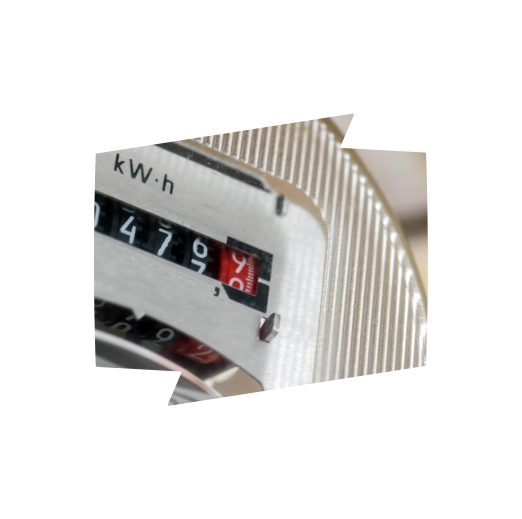
  • Tampering with the meter or any part of the metering system (directly or indirectly—e.g., using electromagnetic means), leading to under-recording of consumption.
  • Connecting directly to the supply cable or the Network, bypassing the meter.
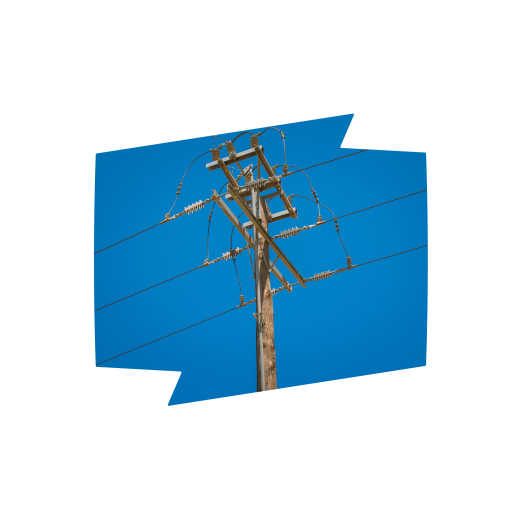
  • Hooking directly onto overhead network conductors, where no metering system is in place.
  • Unauthorized reconnection of a supply that has been disconnected, either following a voluntary disconnection request by the last user or after the last supplier has submitted a termination of representation declaration.

Combating electricity theft helps protect consumers and safeguards the electricity network.

Network safety is a shared responsibility—it concerns all of us.

HEDNO works every day to prevent and tackle electricity theft, helping protect consumers and ensuring the safe and reliable operation of the electricity distribution network.

Electricity theft is dangerous because it can:

  • Compromise the reliability of the electricity network.
  • Damage equipment (meters, cabling, installations).
  • Create serious safety hazards for consumers and the network, due to unsafe, improvised, or non-certified connections.

If you notice anything suspicious, such as:

  • signs of tampering or damage to a meter (e.g., a broken seal),
  • unusual wiring or connections,
  • or anything that makes you unsure or concerned

please contact HEDNO for information and guidance.

Reporting concerns early helps to:

  • prevent safety hazards,
  • protect your electricity supply,
  • and support a fair and reliable electricity network for everyone.

For your safety, do not open your meter or attempt any kind of intervention.

Why tackling electricity theft matters?

  • Electricity that is consumed but not recorded is ultimately absorbed by the market as a whole resulting in higher costs for customers who pay their bills.
  • Combating electricity theft also helps ensure the safe and uninterrupted operation of the electricity distribution network.

In other words, the “gain” of a few becomes a cost for many.
Electricity Theft Manual

How electricity theft is detected and addressed?

HEDNO systematically monitors non-technical losses across the Network and takes action through:

  • Unannounced inspections during routine meter readings or when a supply connection is transferred
  • Targeted on-site checks and technical inspections where there are indications of interference (e.g., sudden or unexplained changes in consumption)
  • Technical crew visits where tampering is identified, including documentation and photographs of findings before restoration (and, where applicable, video recording of the process)
  • Repair or replacement of meters, where required
  • Dedicated inspection teams, staffed by specialized technicians

All findings are documented in an official record (“Crew Visit Report”), including the inspection details, findings, and any follow-up actions.

Any electricity that has not been recorded is charged in accordance with the applicable regulatory framework.

All of the above is based on the Electricity Theft Manual (Government Gazette, Series Β, No. 1871/30.05.2017) and the relevant decisions of the Regulatory Authority for Energy (RAE). Press release

Indicative examples of cases that may be classified as electricity theft

(Pursuant to Government Gazette, Series B, No. 78/2017, Article 95, as in force)

  • Bypassing an existing meter, by directly connecting the distribution board–meter line to the installation’s supply cable, so that electricity consumption is not recorded.
  • Direct connection of the internal installation to the Network, where no meter is in place.
  • Unauthorized reactivation of supply connections that have been deactivated, while an electricity supply contract remains in force.
  • Unauthorized reconnection of supply connections that have been disconnected following a request for voluntary disconnection by the last user or the last electricity supplier, with or without bypassing the meter—resulting in energy being consumed without being billed (connections without an active user and supplier), whether or not the consumption is recorded.

The final classification is determined by the inspection crew’s findings and the official procedure followed.

What is the institutional and regulatory framework for electricity theft?

The regulatory and legal framework for addressing electricity theft defines:

  • what constitutes electricity theft
  • how inspections are carried out
  • how unrecorded consumption is calculated
  • how the amount due is determined and collected

This framework is set out in:

Customer support for electricity theft matters

Any findings or results are issued only after the laboratory inspection has been completed.

Meter inspections may also be carried out on a sample basis, as part of HEDNO’s quality assurance procedures. In any case, electricity theft can only be confirmed once the laboratory inspection has been completed.

HEDNO’s customer support teams are available to help you with:

Electricity theft-related matters, such as:

  • Submitting an objection/appeal
  • Requesting a full case history
  • Contesting a confirmed electricity theft case (with full case history)
  • Requesting a copy of the electricity theft confirmation letter and the corresponding billing schedule

Requests are handled exclusively via email at dmddrk@deddie.gr by including your Supply Number in the email subject line.

For general information, please contact Customer Support at 800 400 4000 (free of charge) – select 5 – Monday to Friday, 09:00–17:00 (excluding public holidays)

Administrative cost

In addition to the value of the unrecorded electricity, the electricity theft charge also includes HEDNO’s administrative cost, which covers:

  • expenses related to detecting electricity theft
  • the cost of works on the network and the metering system
  • the cost of laboratory testing of the meter, where required
  • the cost of replacing the meter, where necessary
  • the operational cost of case handling and customer support

This administrative cost ranges as follows:

Supply connection Without replacement (€) With replacement (€)
Single-phase LV 294,54 407,07
Three-phase LV 330,11 461,65
MV supply connection 365,68 662,21

The total amount due in cases of confirmed electricity theft is calculated as the sum of:

1. the value of the unrecorded electricity for the entire period during which electricity consumption was not recorded, based on the methodology set out in the Electricity Theft Manual (RAAEY decision 236/2017 , Government Gazette, Series B, No.1871/30.05.2017, as in force) and
2. the corresponding administrative cost.

*The amounts indicated do not include VAT.

How is the amount due paid – instalment plan

The total amount due (energy value + administrative cost, including the applicable VAT rates) must be paid in full to HEDNO, exclusively by bank transfer, using the RF Payment Code displayed on the Debt Payment Notice.

Payment can be made either:

  • in one lump sum
  • in equal monthly instalments, in accordance with the instalment plan below:
Total amount due Number of instalments
Up to 600 € 1
601 – 1.200 € 2
1.201 – 2.400 € 4
2.401 – 4.800 € 8
Over 4.800 € 12

The above schedule cannot be amended and applies to all cases.

IMPORTANT: The exact amount must be paid. If a different amount is paid, the transaction will not be completed.

What happens to the amounts paid?

Under the applicable regulatory framework, the amounts collected are used to offset the impact of electricity theft on customers who pay their bills.

Specifically, these amounts are allocated to:

  • regulated accounts and charges, such as the Special Tax for GHG Reduction, Public Utility Services, and System and Distribution Network Use Charges, and
  • a dedicated HEDNO reserve fund supporting the development of measures to combat electricity theft.